
Boğulma Önleyici Cihaz Nasıl Çalışır? Klinikler, Okullar ve Distribütörler İçin Pratik Bir Kılavuz


Yazar
Xiamen Tianzuo Medical farkını deneyimleyin – her ürünümüz, sağlık ve güvenliğe olan bağlılığımızın bir kanıtıdır.
Marie R. Winters


Özet: Boğulma, kazara yaralanma sonucu ölümlerin önde gelen nedenlerinden biridir, ancak standart Heimlich manevrası herkes için güvenli veya etkili değildir; bebekler, yaşlılar, hamile kadınlar ve tekerlekli sandalyedeki kişiler de dahil olmak üzere. Boğulmayı önleyici bir cihaz (boğulma kurtarma veya emme cihazı olarak da adlandırılır), tıkanıklığı gidermek için negatif basınç kullanan invaziv olmayan bir yedek yöntem sunar. Bu kılavuz, cihazın adım adım nasıl çalıştığını, karın itme hareketleriyle nasıl karşılaştırıldığını, kimlerin bu cihazı bulundurması gerektiğini ve dağıtımcıların tedarik etmeden önce nelere dikkat etmesi gerektiğini açıklamaktadır.
Boğulma Kurtarma Cihazları Neden Daha Çok İlgi Görüyor?
Amerika Birleşik Devletleri'nde boğulma, kasıtlı olmayan yaralanma kaynaklı ölümlerin dördüncü önde gelen nedenidir ve bir yaşın altındaki bebekler için önlenebilir yaralanma kaynaklı ölümlerin başında gelmektedir. Heimlich manevrası 1974'ten beri sayısız hayat kurtarmıştır, ancak kurtarıcının gücüne ve doğru tekniğine bağlıdır ve hassas hastalarda kaburga kırıklarına veya iç yaralanmalara neden olabilir. Bu eksiklik nedeniyle okullar, bakım evleri ve restoranlar artık ilk yardım setlerine emme tipi kurtarma cihazları eklemekte ve birçok ABD eyaleti bunları okul kampüslerinde zorunlu hale getirmeye başlamıştır.
Boğulmayı Önleyici Cihaz Nasıl Çalışır?
Prensip basit: (karın itme hareketlerinde olduğu gibi) havayı içeri itmek yerine, cihaz tıkanıklığı emme yoluyla dışarı çekiyor. Tipik bir ünite—bizim TW8648 tıkanıklık emme cihazımız da bu tasarıma sahiptir—dört parçadan oluşur:
- Yüz maskesi: Burun ve ağız üzerine yerleştirilerek hava geçirmez bir sızdırmazlık sağlanır.
- Tek Yönlü Vana: Havanın solunum yoluna daha fazla itilmesini engeller.
- Piston / emme pompası: Havanın temizlenmesi için bastırın, ardından negatif basınç oluşturmak için geri çekin.
- Şeffaf tüp: Kurtarıcının yerinden çıkmış cismi görmesini sağlar.
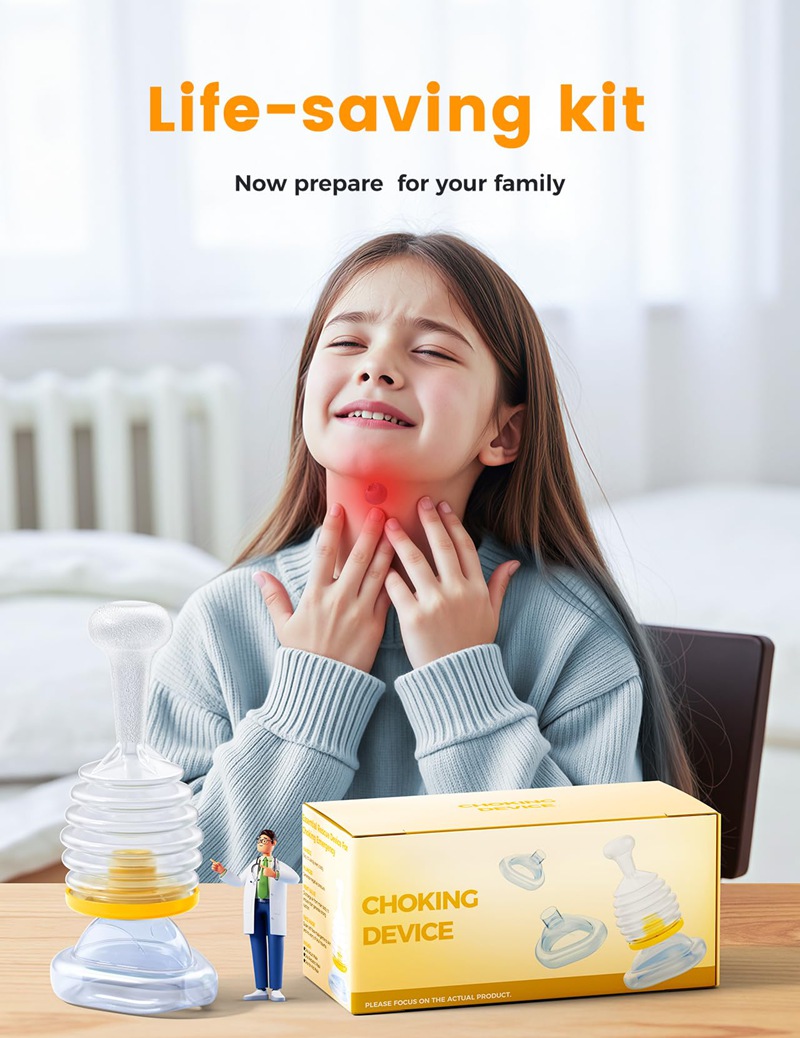
Kullanım sırasında maskeyi yerleştirin, havayı dışarı atmak için pistonu aşağı doğru bastırın, ardından emme oluşturmak için yukarı çekin. İlk deneme tıkanıklığı açmazsa, maskeyi çıkarmadan itme-çekme hareketini tekrarlayın. Çoğu kullanıcı, hipoksi zarara yol açmadan önceki süre içinde, yaklaşık üç dakika içinde cihazı monte edip çalıştırabilir.
Boğulmayı Önleyici Cihaz ve Heimlich Manevrası Karşılaştırması
Bunlar rakipler değil; savunma katmanlarıdır. Kılavuzlar hala ilk olarak sırt vuruşlarını ve karın itmelerini önceliklendiriyor. Cihaz, bunlar başarısız olduğunda veya kurtarıcı bunları güvenli bir şekilde uygulayamadığında (örneğin hamile bir kadın, osteoporozlu yaşlı bir kişi veya kaburgaları itme için çok hassas olan bir bebek) *ikinci seçenek* olarak kullanılır. Vakum, kompresyonlardan daha nazik olduğu için, eğitimsiz bir kişinin de yaralanmaya neden olmadan denemesi daha kolaydır.
Dağıtıcıların iletmesi gereken bir uyarı şudur: Bu cihazlar standart ilk yardım eğitiminin yerini almamalı, onu tamamlamalıdır. Alıcılar bunları CPR ve boğulma eğitimiyle birlikte stoklamalı, onun yerine geçirmemelidir.
Kimler Stoklamalı?
- Okullar ve kreşler: Küçük çocukların en sık boğulduğu yer.
- Bakım ve huzurevleri: Karın bölgesine baskı uygulanmasına tahammül edemeyen hastalar için.
- Restoranlar ve spor salonları: Farklı yaş gruplarından insanların bir arada bulunduğu yüksek riskli kamusal alanlar.
- Ev ve seyahat setleri: Özellikle bebekleri veya yaşlı akrabaları olan aileler için.
- Klinikler ve ambulanslar: Hava yolu algoritmasında belgelenmiş bir yedekleme mekanizması olarak.
Boğulmayı Önleyici Cihaz Temin Ederken Nelere Dikkat Edilmeli?
Tedarikçileri değerlendiren bir dağıtımcı veya satın alma yöneticisiyseniz, şu noktalara dikkat edin:
- Şeffaf tek yönlü valf ve hava geçirmez maske contası — güvenli operasyonun temeli.
- Şeffaf bölme Böylece kurtarma ekipleri çıkarılan nesneyi görebiliyor.
- Yetişkin ve çocuk maskesi seçenekleri Mümkünse tek bir set halinde.
- Basit, piktogram tabanlı talimatlar Eğitimsiz kullanıcılar için.
- Sertifikalar ve Kalite Kontrolü — ISO 13485 süreçlerini uygulayan ve test dokümantasyonu sağlayabilen bir üreticiyle çalışmak.
İlgili Ürünler
Neden Tianzuo Medical ile Ortaklık Kurmalısınız?
Acil durum, anestezi ve solunum ürünleri alanında dikey entegre bir üretici olan Xiamen Tianzuo Medical, amiral gemisi resüsitatörlerinde olduğu gibi solunum yolu cihazlarına da aynı kalite sistemini getiriyor: ISO 13485:2016, CE ve FDA onaylı üretim, ayrıca şirket içi kalıplama ve OEM/ODM desteği. Toptancılar ve marka sahipleri için özel etiketleme, esnek minimum sipariş miktarları ve ihaleler ile perakende uyumluluğu için gerekli belgeleri sunuyoruz.
Boğulma durumunda kullanılan kurtarma cihazlarını kataloğunuza ekliyorsanız, Ekibimize ulaşın Fiyat bilgisi, numuneler ve özelleştirme seçenekleri için lütfen Stephen@tzmed.com adresine e-posta gönderin.
Sıkça Sorulan Sorular
Boğulma önleyici cihaz tıkanıklığı nasıl giderir?
Heimlich manevrasının yerini alabilir mi?
Boğulmayı önleyici cihaz bebekler için güvenli midir?
Bu cihazların kullanımı için eğitim gerekiyor mu?
Tianzuo Medical, boğulma önleyici cihazları bizim markamız altında tedarik edebilir mi?
- Üç Toplu Spirometre Nasıl Kullanılır: Ameliyat Sonrası Solunum İyileşmesi İçin Pratik Bir Kılavuz
- Kafa Sabitleyici Seçimi Nasıl Yapılır: Acil Tıp Hizmetleri ve Hastane Tedariki İçin B2B Alıcı Kılavuzu
- Yüksek Akışlı Burun Kanülü (HFNC): Nasıl Çalışır ve Standart Oksijen Maskesine Göre Ne Zaman Tercih Edilmelidir?
- Burun Oksijen Kanülü: Oksijen Tedavisinin Sessiz Ama İşini Gören Aleti (ve Doğru Seçimi Nasıl Yapılır)
- Hava yastıklı atel mi yoksa alçı mı: Hangi sabitleme cihazını seçmelisiniz?
- Venturi Maskesi mi Yoksa Geri Solunum Yapmayan Maske mi: Hangi Oksijen Verme Cihazını Seçmelisiniz?
- Laringeal Maske Hava Yolu (LMA) mı, Endotrakeal Tüp mü: Doğru Hava Yolu Nasıl Seçilir?
- CPAP Maskesi Nasıl Seçilir: Tam Yüz Maskesi mi, Burun Maskesi mi, Yoksa Burun Yastığı Maskesi mi? (2026 Alıcı Rehberi)